
Federal Judge Halts Big Bend Border Wall Construction in Texas
Courtesy of Adobe Stock
Court Order Pauses Federal Waivers Across the Big Bend Sector
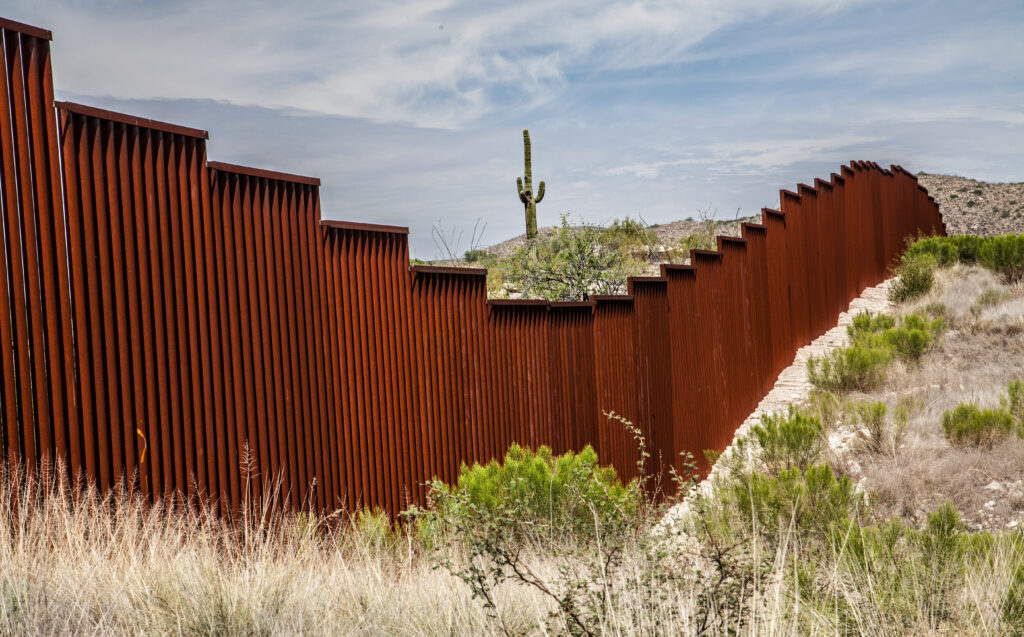
On October 2, U.S. District Judge Kathleen Cardone in El Paso blocked the government from building border barriers or doing any ground-disturbing work anywhere in the Big Bend Sector of the “Smart Wall” project, more than 500 miles of the U.S.-Mexico border. The order also suspends the waivers the Department of Homeland Security (DHS) used to get around dozens of federal laws, and it stays in place while the lawsuit moves forward. The judge explained her reasons in an October 14 opinion, and the bulldozers have since been pulled from the site. Marfa Public Radio has also reported that U.S. Customs and Border Protection quietly paused its 56-mile “Big Bend 3” project a week before the order.
Why the Judge Ruled Against DHS
Federal law lets DHS waive legal requirements only to build barriers in “areas of high illegal entry.” The judge found that Big Bend likely doesn’t qualify. The sector ranked in “extraordinarily distant last place” for apprehensions among the seven southern border sectors, and over the past 30 years it has accounted for only 0.3% to 2.2% of border apprehensions. DHS cited about 89,000 apprehensions over five years, but the judge said those numbers mean little without comparing them to other sectors. Relying on the major questions doctrine, she concluded that the plaintiffs are likely to succeed in showing that the waivers went beyond DHS’s authority.
Why the Ruling Matters for Local Landowners
According to the Center for Biological Diversity, this appears to be the first time a federal judge has found a constitutional challenge to these waivers likely to succeed. That matters because the waivers are what let the government move fast and skip the usual environmental and procedural review. The court also gave weight to harms many landowners share, such as losing access to the Rio Grande for water, crops and livelihoods. Landowners are pursuing their own case too: in September, six landowners and Conserve Big Bend, which represents roughly 230 more, sued DHS in federal court in Washington, D.C.
Does the Injunction Stop Border Wall Condemnation?
No. The injunction halts construction, but it does not fully address land acquisition. Federal agencies have told the court that they plan to file eminent domain cases soon against Big Bend landowners who haven’t agreed to the project. If you have received a letter, a right-of-entry request, an offer or a condemnation filing, you may still face time-sensitive deadlines. With the Supreme Court weighing the government’s request, the pause could also end quickly, so don’t sign anything or ignore a filing without talking to a condemnation attorney.
What’s Next
Judge Cardone denied DHS’s request to pause the injunction. On October 21, the government asked the U.S. Supreme Court to lift the injunction and reverse it outright, arguing that the district court never had the power to hear the case. The challengers responded on October 29, and the government may still file a reply.
The Court has not set a ruling date. Emergency requests like this are often decided within days or weeks after briefing ends, usually without advance notice. The ruling may not settle the case. If the Court grants only a pause, construction could resume while the lawsuit continues in El Paso. If it reverses the injunction outright, the challenge would effectively be over. If it denies the request, the injunction stays in place, and a final decision could be months away or stretch into 2027.
Talk to a Texas Eminent Domain Attorney
This ruling buys time, and in eminent domain cases, time is leverage. Use it to understand how much land the government wants, what rights it’s seeking, how a wall or road would affect your river access, water and grazing, and what your remaining property will be worth. Damage to the rest of your property can also be compensable. Barron, Adler, Clough & Oddo has agreed to represent Big Bend area landowners if the federal government files eminent domain cases against them. If you own land in the Texas Big Bend region, contact Barron, Adler, Clough & Oddo, PLLC or call 512-478-4995 to talk with an experienced eminent domain lawyer today.
Resources:
-
- U.S. Customs and Border Protection (CBP) Smart Wall Map
- Law 360: Texas Judge Blocks Border Wall Construction In Big Bend
- Law 360: DHS Can’t Waive Laws For Big Bend Wall, Texas Judge Says
- Friends of the Ruidosa Church v. Mullin, No. EP-26-CV-1099-KC, ECF No. 66 (W.D. Tex. Oct. 2, 2026) (order granting preliminary injunction)
- Friends of the Ruidosa Church v. Mullin, No. EP-26-CV-1099-KC, ECF No. 75 (W.D. Tex. Oct. 14, 2026) (memorandum opinion)
- Mullin v. Friends of the Ruidosa Church, No. 26A560 (U.S.) (application for stay)
- Mullin v. Friends of the Ruidosa Church, No. 26A560 (U.S. Oct. 29, 2026) (respondents’ opposition to application for stay)
- SCOTUSblog: Trump Administration Asks Justices to Allow Border Wall Construction to Continue
- Houston Public Media / Marfa Public Radio: Emails Show Trump Admin Paused Part of Big Bend Border Wall Even Before a Judge’s Order
- NPR: Texas Landowners Sue Federal Government Over Border Wall Plans